Crypto Integration Challenges in Canadian Regulated Poker Sites
Written by Frankie Reed · Oct 21, 2026
Crypto Integration Challenges in Canadian Regulated Poker Sites
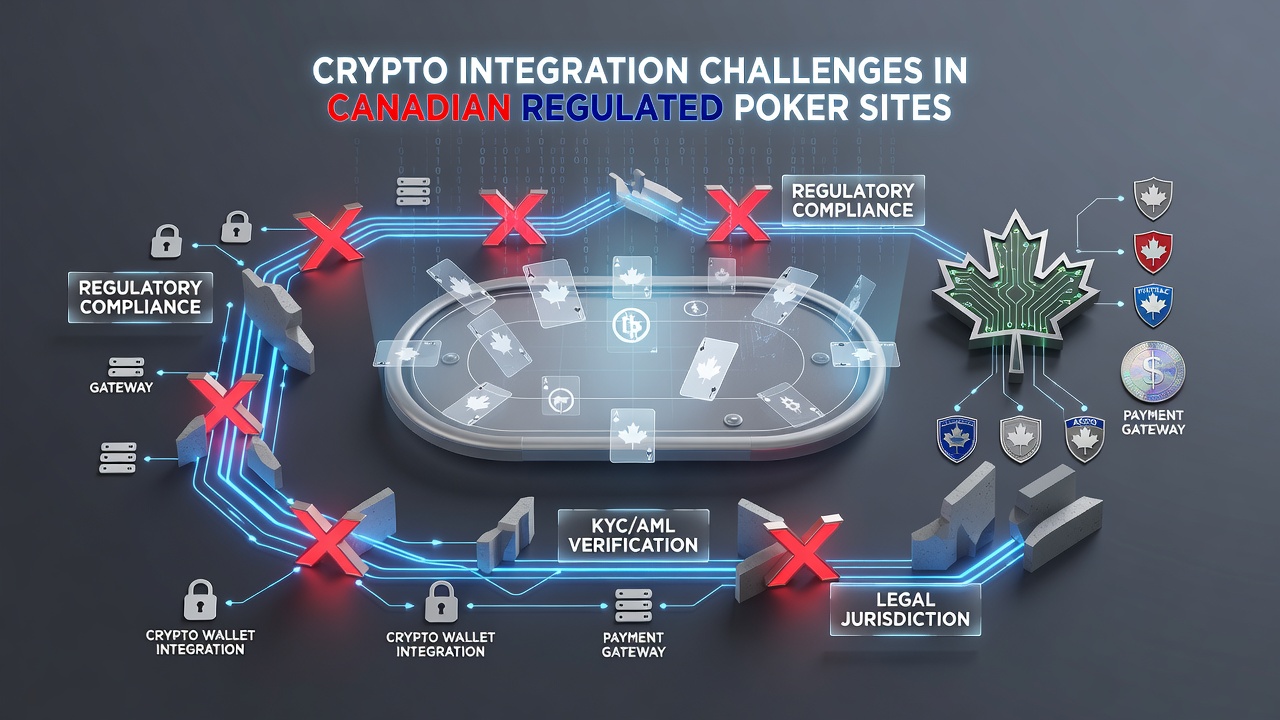
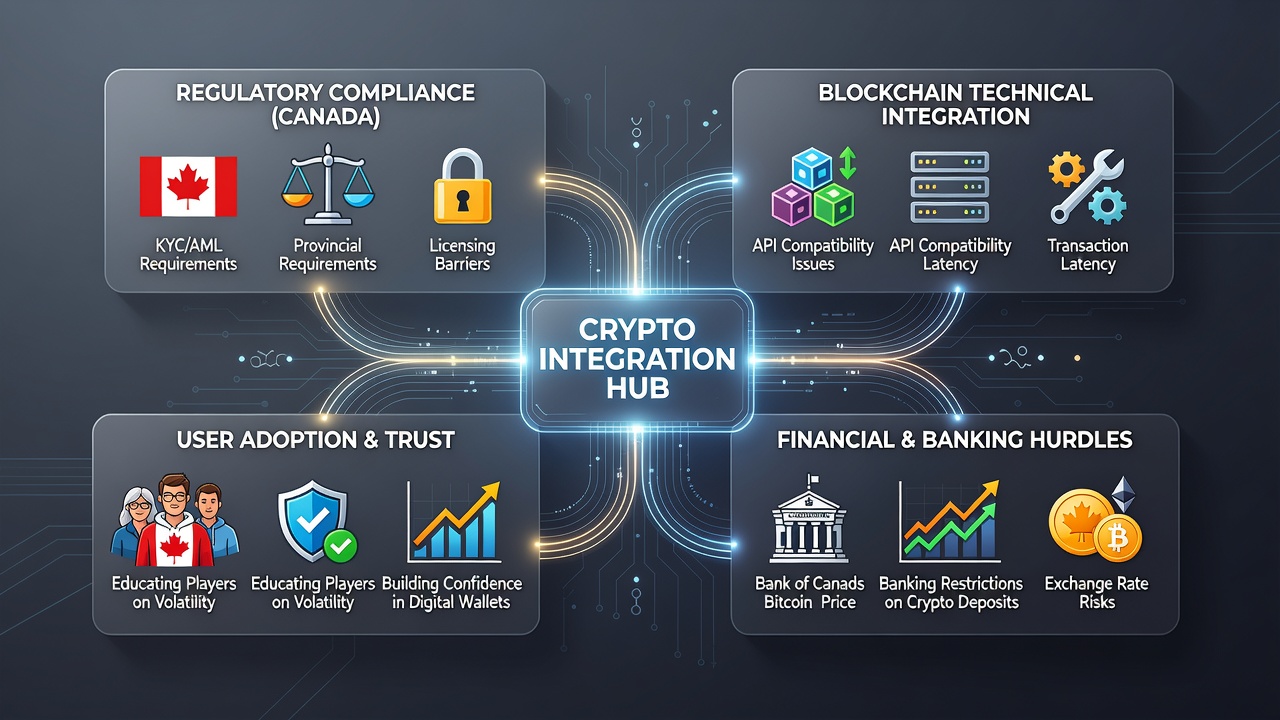
Canadian regulated poker sites continue to navigate complex terrain when incorporating cryptocurrency options into their operations, and observers note that provincial frameworks create distinct hurdles compared to other jurisdictions. Data from multiple regions shows that operators must align digital asset transactions with existing anti-money laundering protocols while maintaining compliance across fragmented provincial rules. Research indicates that these requirements often demand specialized software adaptations because traditional banking rails do not interface directly with blockchain networks.
Provincial Regulatory Fragmentation
Each province maintains its own licensing authority, which means operators licensed in Ontario face different reporting obligations than those operating under British Columbia or Quebec oversight, and this variation extends to how cryptocurrency deposits receive verification. Figures released by the Alcohol and Gaming Commission of Ontario reveal that transaction monitoring systems must flag crypto transfers above certain thresholds, yet the technical standards for such flags differ from province to province. In October 2026, several provinces issued updated guidance documents that clarified wallet address screening procedures, although implementation timelines still vary widely among operators.
Anti-Money Laundering and KYC Requirements
According to information published by the Financial Transactions and Reports Analysis Centre of Canada, regulated poker sites must apply the same customer identification standards to cryptocurrency deposits as they do to fiat transactions, which creates additional layers of verification when users transfer tokens from non-custodial wallets. Studies conducted by academic researchers at Canadian universities highlight that blockchain analytics tools require ongoing updates to detect mixing services or high-risk addresses, and these tools add operational costs that operators must absorb. People familiar with the sector observe that delays in identity confirmation can extend from minutes to several hours when cryptocurrency transactions trigger manual reviews.
Technical and Infrastructure Hurdles
Integrating blockchain nodes into existing poker platform backends presents compatibility issues because legacy systems were designed around centralized payment processors, and this mismatch often necessitates custom middleware development. Reports from industry associations indicate that volatility management features must run in real time to convert crypto balances into Canadian dollars for tournament entries, yet exchange rate fluctuations can still produce discrepancies during peak playing periods. Operators have documented cases where network congestion on major blockchains delayed deposit confirmations, forcing temporary suspension of crypto tables until confirmations cleared.
Tax Reporting and Record-Keeping Obligations
Canadian tax authorities require detailed transaction logs for all gaming activity, and cryptocurrency transfers add complexity because each wallet address generates multiple on-chain entries that must reconcile with player accounts. Data compiled by international research groups shows that similar challenges appear in other regulated markets, such as those monitored by AUSTRAC in Australia, where operators must maintain immutable records spanning several years. Those who manage compliance teams note that reconciling these records with provincial gaming tax filings demands specialized accounting software not commonly used in traditional poker operations.
Security and User Adoption Patterns
Security audits conducted on Canadian poker platforms reveal that private key management and multi-signature wallet configurations represent ongoing areas of focus, while players continue to weigh the convenience of crypto deposits against perceived risks of irreversible transactions. Usage statistics collected across multiple sites demonstrate slower adoption rates for cryptocurrency options compared to established e-wallet methods, although certain demographics show higher engagement when sites offer stablecoin alternatives. External security assessments confirm that phishing attempts targeting poker players have increased in parallel with crypto feature rollouts, prompting additional education campaigns from operators.
Conclusion
Canadian regulated poker sites continue to refine their approaches to cryptocurrency integration through iterative updates to compliance systems and infrastructure, while provincial authorities issue periodic clarifications that shape operational practices. Evidence gathered from regulatory filings and technical reports demonstrates that successful implementations depend on coordinated efforts between technology providers, legal teams, and provincial oversight bodies. As blockchain standards evolve and operators accumulate operational data, integration processes are expected to become more streamlined across jurisdictions.