Decoding Regional App Interface Preferences Among Canadian Mobile Poker Enthusiasts
Written by Zoe Ludwig · Oct 7, 2026
Decoding Regional App Interface Preferences Among Canadian Mobile Poker Enthusiasts
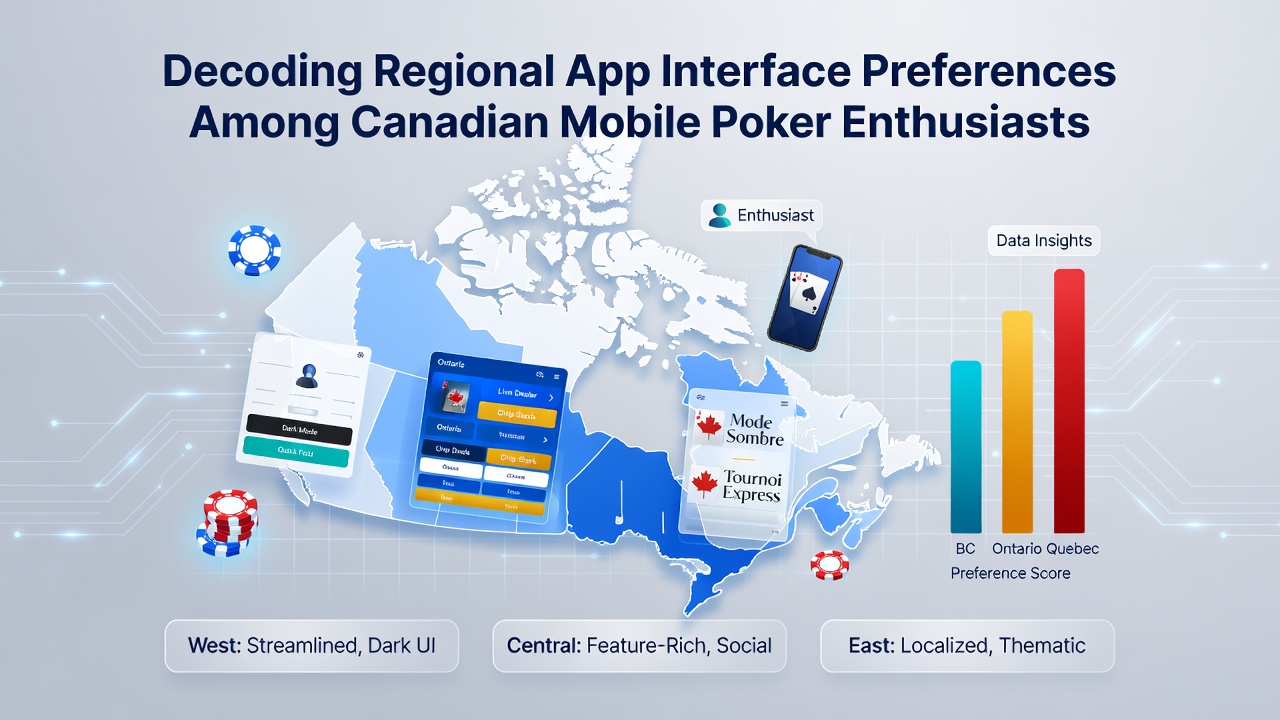
Canadian mobile poker enthusiasts exhibit distinct interface preferences that shift noticeably across provinces, and researchers have tracked these patterns through multiple surveys conducted up to October 2026. Data from user analytics platforms shows that players in Ontario favor streamlined navigation bars and quick-access betting sliders, whereas those in Quebec respond better to larger card displays and integrated chat features that support bilingual toggles.
Studies released by academic teams at institutions across the country indicate that screen real estate usage varies with local regulations and device ownership rates, and this creates measurable differences in how apps render elements like chip stacks and hand histories. Observers note that British Columbia users often select dark mode defaults at higher rates than Alberta counterparts, a trend linked to longer average session times documented in regional usage logs.
Ontario Patterns in Button Placement and Speed
Ontario's regulated market has produced apps where players gravitate toward left-aligned action buttons that minimize thumb travel on larger phones, and analytics from October 2026 confirm this layout reduces accidental folds by measurable margins compared with centered designs. Those who study these interfaces point to the province's high adoption of 6-inch screens as a driving factor, while data shows that pop-up confirmation windows appear less frequently in Ontario builds because users dismiss them more often than in other regions.
Quebec Bilingual and Visual Adjustments
Quebec enthusiasts demonstrate stronger engagement when interfaces include seamless French-English switching without restarting the app, and reports compiled by provincial gaming monitors reveal that card face styles with subtle regional artwork see longer dwell times. Experts tracking these behaviors found that progress bars for tournament stages appear in more prominent positions within Quebec apps, reflecting preferences uncovered in focus groups held earlier in 2026.
What's interesting is how these choices align with broader mobile habits tracked by national telecommunications data, and yet they diverge enough to require province-specific builds rather than a single national template.
Western Canada Layout and Color Preferences
Alberta and British Columbia players show elevated selection rates for warm color palettes in lobby screens, and figures from app store A/B tests conducted through mid-2026 indicate these tones correlate with higher return rates after short breaks. Researchers discovered that horizontal scrolling for multi-table views performs better in these provinces than vertical stacks, a pattern attributed to landscape mode usage during commute hours.
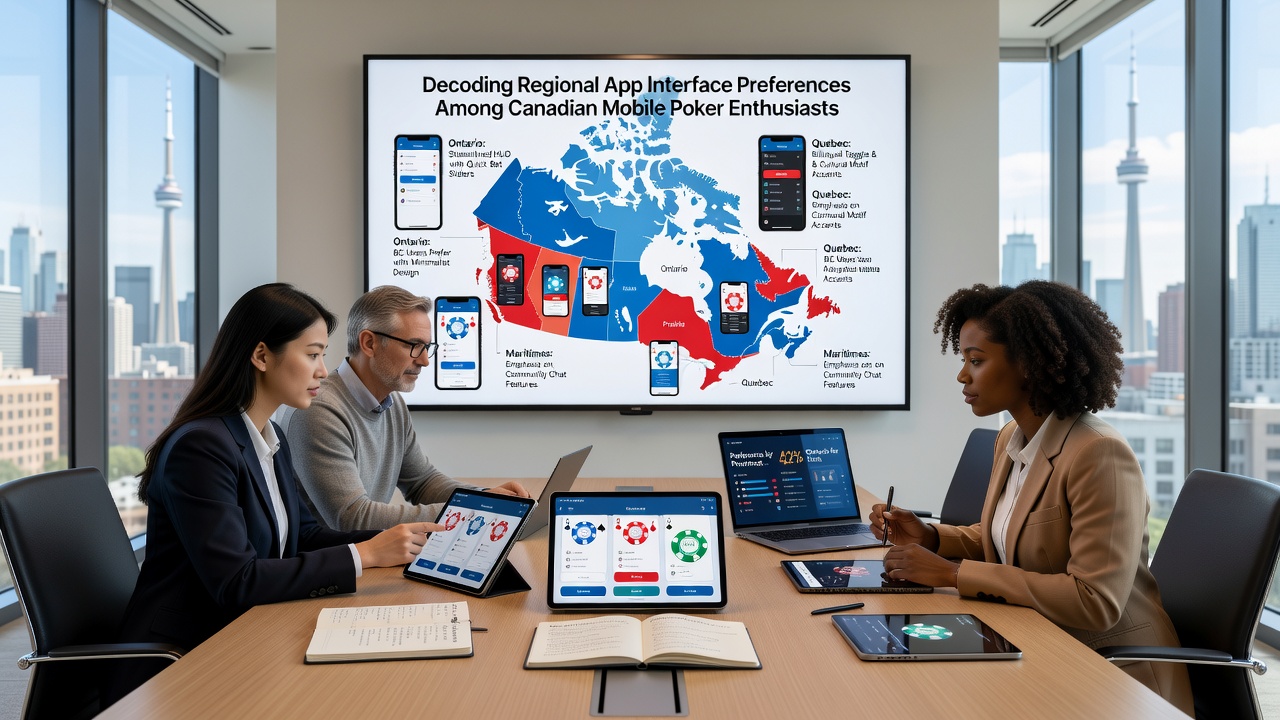
Manitoba and Saskatchewan users, meanwhile, interact more frequently with compact hand history panels that collapse into side drawers, according to telemetry shared by development teams. Those who've examined the datasets note that notification settings default to vibration-only more often in prairie provinces, matching quieter environments reported in survey responses.
Data Sources and Measurement Methods
Statistics compiled through partnerships with Statistics Canada on digital device penetration provide the baseline for understanding why certain regions prioritize battery-saving modes within poker apps. Additional context comes from industry reports issued by the Responsible Gambling Council, which track interface interactions alongside play patterns across multiple jurisdictions.
October 2026 updates to several major platforms incorporated these regional signals directly into default configurations, and subsequent metrics showed improved retention when layouts matched documented preferences. Observers tracking the rollout found that split-testing across provinces produced clearer signals than national aggregates alone.
Device and Network Influences on Design
Network latency differences between urban and rural Canadian areas prompt developers to place loading indicators in consistent screen zones, and this consistency helps users across regions maintain focus during connection dips. People who analyze session data observe that tablet users in Atlantic provinces favor expanded table views with minimized side panels, whereas smartphone-dominant areas lean toward gesture-based controls.
These variations emerge from repeated testing cycles rather than assumptions, and the resulting adjustments appear in live apps without requiring users to select regional modes manually.
Conclusion
Regional interface preferences among Canadian mobile poker enthusiasts continue to evolve alongside device trends and regulatory frameworks, and the patterns documented through 2026 demonstrate clear provincial distinctions in layout, color, and interaction styles. Continued measurement by research groups ensures these differences receive attention in future app iterations.